Классификация и функциональная динамика клапанов управления
В сложном мире управления промышленными процессамиКонтрольные клапаныВ то время как датчики и контроллеры обрабатывают данные, клапан управления выполняет физическую работу по модуляции энергии жидкости.Выбор подходящей архитектуры клапана является критическим инженерным решением, которое диктует стабильность системы, энергоэффективности и общей стоимости владения (TCO).
В данной статье дается техническое углубление в основные классификации клапанов управления, анализируя их механические профили и динамические характеристики жидкости.
1Линейные клапаны управления движением
Линейные клапаны используют конструкцию скользящего ствола, где член закрытия движется по прямой линии, чтобы изменить область потока.
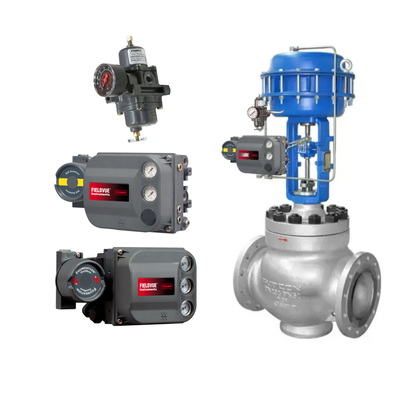
А. Клапки управления шаром
Вентиль "Глобус" является "золотым стандартом" для применения при подаче газа.
-
Динамика жидкостей:Схема потока в форме буквы S создает падение давления ($ Дельта П$), который идеально подходит для поглощения энергии в системах высокого давления.
-
Многофункциональность:Они предлагают различные конструкции отделки (линейный, равный процент или быстрое открытие), чтобы соответствовать специфическим характеристикам петли процесса.
-
Инженерное преимущество:Высокая дальность и способность обрабатывать высокоскоростные потоки с минимальными вибрациями при правильном помещении в клетку.
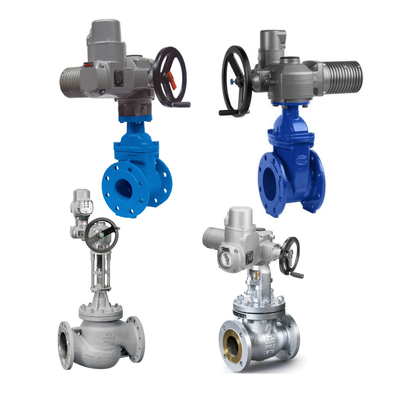
B. Клапки шлюзов (специализированный контроль)
Хотя традиционно используются для изоляции (включение/выключение), некоторые клапаны ножевых ворот или параллельные сдвижные ворота изготовлены со специальными вставками в форме буквы V для грубого сжатия в тяжелых служащих-сливочных.

2. Ротационные клапаны управления движением
Ротационные клапаны используют закрывающий элемент, который вращается по 90-градусной дуге.
A. В-портовые шаровые клапаны управления
В отличие от стандартного скважинного шарового клапана,В-портовый шаровой клапанимеет специализированный вырезанный контур.
-
Действие стрижки:По мере вращения шара, V-защелка создает эффект стрижки на сиденье, что делает ее главным выбором для втянутых твердых веществ или волокнистых материалов (например, бумажной целлюлозы).
-
Характеристика потока:Естественно, обеспечиваетРавный процентхарактеристика потока, которая компенсирует нелинейные падения давления при длинных проходах труб.
B. Моторные клапаны высокой производительности
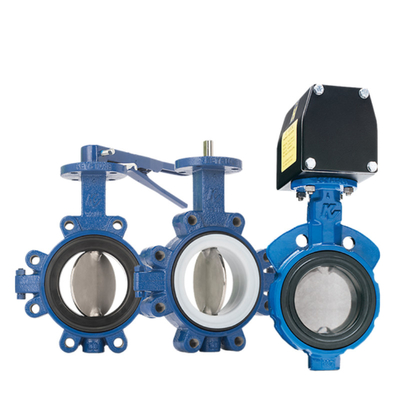
Современные клапаны-бабочки эволюционировали далеко за пределы простых водопроводных применений.
-
Двойной и тройной офсет:Эти конструкции гарантируют, что диск поднимается с сиденья сразу после вращения, уменьшая крутящий момент и износ сиденья.
-
Экономический масштаб:Они предлагают самые высокие$C_v$(Коэффициент потока) на фунт веса клапана, что делает их наиболее устойчивым выбором для газовых или жидких линий большого диаметра.
C. Экцентрические клапаны (Camflex Style)
Зажим проходит по эксцентричному пути, "зажимаясь" в сиденье. Это устраняет трение в течение большей части хода, увеличивая срок службы уплотнений в абразивной среде.
Техническое сравнение: Матрица производительности для инженеров
Для облегчения строгого процесса отбора в следующей таблице сопоставлены ключевые технические параметры четырех основных архитектур клапанов управления:
| Технический параметр |
Глобусный клапан |
В-портовый шар |
Бабочка (Оффсет) |
Эксцентрическая розетка |
| Характеристика потока |
Линейное / Eq% |
Равный процент |
Модифицированная линейная |
Линейное / Eq% |
| Восстановление давления |
Высокий (низкий)$F_L$) |
Низкий (высокий)$F_L$) |
Самый низкий |
Умеренный |
| Диапазон |
50:1 |
300:1 |
30:1 |
100:1 |
| Риск кавитации |
Высокий |
Умеренный |
Высокий |
Умеренный |
| Класс уплотнителей |
Классы IV, V, VI |
Класс VI |
Класс VI |
Классы IV, VI |
| Соотношение вес/размер |
Высокий (тяжелый) |
Умеренный |
Очень низкий (светлый) |
Умеренный |
3Специализированные и тяжелые клапаны
В экстремальных промышленных условиях стандартные клапаны могут выйти из строя из-заКавитация,Вспышки, илиАэродинамический шум.
-
Многоступенчатые клапаны:Они используют ряд ограничительных путей потока (лабиринтовые диски), чтобы постепенно снижать давление, предотвращая достижение жидкостью давления пара и устранение повреждений кавитации.
-
Криогенные клапаны управления:Устройство с расширенными капотами, чтобы держать упаковку и приводы подальше от сильного холода, обеспечивая целостность уплотнения ствола.
Заключение: Интегрированная стратегия отбора
Эффективный выбор клапанов управления требует целостного представления о цикле процесса.Глобусный клапанобеспечивает непревзойденную точность для системы водоснабжения котла,Клапка бабочкиЭто может быть единственным технически и экономически жизнеспособным решением для 24-дюймового охлаждающего водопровода.$C_v$требованияпротив$ Дельта П$профильи физические свойства СМИ.
Хотите, чтобы я сделал$C_v$Расчет или анализ кавитации для конкретного набора ваших параметров процесса?


 Ваше сообщение должно содержать от 20 до 3000 символов!